
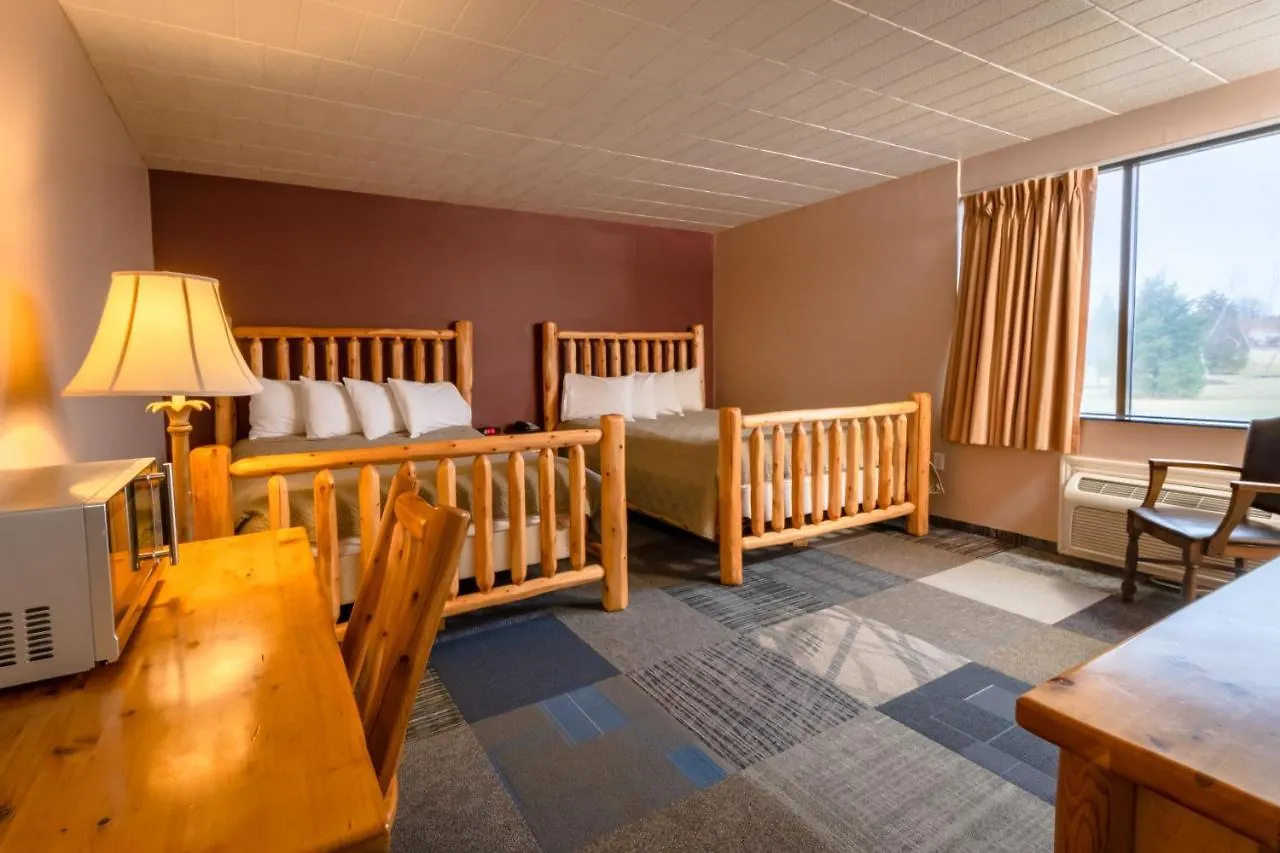
The United States offers one of the widest selections of resort hotels in the world, spanning beachfront properties on the Outer Banks, ski-adjacent lodges in Colorado, lakeside retreats in Minnesota, and wilderness resorts in Wyoming. Whether you're targeting a specific national park corridor, a trail system in Arizona, or a Florida ranch experience, choosing the right resort requires knowing what each region actually delivers - not just what the brochure says.
What It's Like Staying at a Resort in the United States
The U.S. resort landscape is defined by its geographic diversity - from the Sonoran Desert in Arizona to the Great Lakes shoreline in Wisconsin and Minnesota, each region demands a different packing list and travel mindset. Resort stays here often double as activity hubs, with properties built around skiing, horseback riding, water sports, or golf rather than simply proximity to a city. Unlike European resort models, most U.S. resorts require a car, as public transport rarely connects rural resort corridors, and distances between attractions routinely exceed 30 miles.
Summer weekends at lakeside and mountain resorts book out weeks in advance, particularly in popular corridors like Colorado's Summit County or North Carolina's Outer Banks. Travelers without flexibility on dates should expect to pay a premium or shift to shoulder-season windows.
Pros:
- Unmatched variety of landscapes - desert, alpine, coastal, and forest resorts all within one country
- Many resorts bundle activities (lift tickets, boat rentals, trail access) directly into the stay
- Family-sized suites and full kitchens are standard at most resort properties, reducing daily food costs significantly
Cons:
- A rental car is almost always required - resort locations are rarely walkable or transit-accessible
- Peak-season pricing at top resort destinations can spike by around 60% compared to midweek off-season rates
- Some resorts enforce minimum night stays (2-3 nights), limiting flexibility for short trips
Why Choose a Resort Hotel in the United States
Resort hotels in the U.S. sit in a distinct category from standard hotels - they're built around a central activity or natural asset, whether that's a ski mountain, a lake, a golf course, or a rodeo. Most U.S. resorts include amenities that would cost extra elsewhere: indoor pools, hot tubs, fitness centers, game rooms, and on-site dining are typically bundled into the nightly rate rather than sold as add-ons. This changes the real cost calculation significantly compared to booking a standard hotel and paying separately for activities.
Room sizes at resort properties are consistently larger than urban hotels - suites with full kitchens, washers, dryers, and separate living areas are common, making week-long stays genuinely practical for families or groups. The trade-off is that resort hotels are rarely walkable to restaurants or nightlife, and dining on-site tends to be the only convenient option after dark.
Pros:
- Full kitchens and laundry facilities in-room reduce total trip costs for stays of around 4 nights or more
- On-site activity programming (ski access, trail systems, water sports) eliminates the need for separate bookings
- Indoor pools and hot tubs are standard across most U.S. resort categories, even at 3-star properties
Cons:
- On-site dining monopoly - limited outside options means resort restaurants can charge premium prices
- Some properties enforce minimum stay requirements, particularly during holiday weekends
- Remote locations add logistical complexity for travelers arriving by air, with airport transfers often exceeding 50 km
Practical Booking & Area Strategy for U.S. Resort Hotels
Location selection is the single most important decision when booking a U.S. resort. Colorado's Summit County corridor (Keystone, Dillon, Breckenridge) offers ski-in proximity with strong infrastructure, while Arizona's Verde Valley resorts near Cottonwood provide year-round hiking access with far fewer crowds than Sedona. Florida ranch resorts in the Lake Wales area offer a genuinely different experience - rodeo nights, zip lines, and airboat rides replace the typical beach resort formula entirely. For travelers targeting the Great Lakes region, Two Harbors in Minnesota and Eagle River in Wisconsin sit on lake or river frontage with direct water access, which commands a premium but delivers direct value in activity access.
For ski-adjacent resorts in Utah (Midway) or Colorado (Keystone), booking at least 8 weeks ahead during the December-March window is non-negotiable. Arizona and Florida resort properties offer the best value in spring and early fall, when temperatures drop and occupancy is around 30% lower than peak winter months. North Carolina's Outer Banks resorts peak sharply in July and August - mid-September arrivals find the same properties at significantly lower rates with minimal trade-off in weather quality.
Airport proximity matters more than it appears: several resorts listed here sit 50 to over 100 km from the nearest commercial airport, meaning car rental is a fixed cost, not optional. Factor this into total trip budgeting before comparing nightly rates.
Resorts in the Midwest & Great Lakes Region
The Midwest and Great Lakes corridor includes some of the most underrated resort properties in the country - combining lake access, forest trails, and genuine wilderness proximity without the price premiums of coastal destinations.
-
1. Candlestone Golf And Resort
Show on map


 Check-infrom 15:00 until 23:59Check-outuntil 11:00
Hurry – almost gone at this price!
fromUS$ 84
-
2. Eagle River Inn And Resort
Show on map


 Check-infrom 15:00 until 23:59Check-outuntil 11:00
Hurry – almost gone at this price!
fromUS$ 152
-
3. Grand Superior Lodge
Show on map


 Check-infrom 16:30 until 23:59Check-outuntil 11:00
Hurry – almost gone at this price!
fromUS$ 149
Resorts in the Mountain West & Rocky Mountain Region
Colorado, Utah, and Wyoming resort properties in this group are built around ski access, alpine hiking, and proximity to major mountain recreation corridors - with pricing and booking windows that reflect high seasonal demand.
-
4. Gateway Mountain Lodge, A Vail Resorts Property
Show on map


 Check-infrom 16:00 until 23:59Check-outuntil 10:00
Hurry – almost gone at this price!
fromUS$ 408
-
5. Worldmark Midway
Show on map


 Check-infrom 16:00 until 23:00Check-outuntil 10:00
Rooms filling fast – secure the best rate!
fromUS$ 152
-
6. Kodiak Mountain Resort
Show on map


 Check-infrom 15:00 until 22:00Check-outfrom 08:00 until 11:00
Just a few rooms left at the best rate!
fromUS$ 285
Resorts in the Southwest & Arizona
Arizona's resort properties range from trail-access mountain retreats on the White Mountain system to Verde Valley properties near national monuments, offering year-round viability with the strongest value window running from March through May and September through November.
-
7. Pvc At The Roundhouse Resort
Show on map


 Check-infrom 16:00 until 23:59Check-outuntil 10:00
Rooms filling fast – secure the best rate!
fromUS$ 73
-
8. Highlands Resort At Verde Ridge
Show on map


 Check-infrom 16:00 until 23:59Check-outuntil 11:00
Just a few rooms left at the best rate!
fromUS$ 118
-
9. Roundhouse Resort
Show on map


 Check-infrom 16:00 until 23:59Check-outuntil 10:00
Just a few rooms left at the best rate!
fromUS$ 178
Resorts in the Southeast & Atlantic Coast
Florida and North Carolina resort properties in this group offer two sharply different experiences - a working ranch rodeo operation in Florida's Lake Wales interior and a coastal woodland retreat on North Carolina's Outer Banks, both with activity programming that goes well beyond a standard hotel stay.
-
10. Westgate River Ranch Resort & Rodeo
Show on map


 Check-infrom 16:00 until 23:00Check-outuntil 10:00
Just a few rooms left at the best rate!
fromUS$ 194
-
11. Hilton Vacation Club Beachwoods Kitty Hawk
Show on map


 Check-infrom 16:00 until 23:59Check-outuntil 10:00
Best price guarantee
fromUS$ 79
-
12. Great Wolf Lodge Kansas City
Show on map


 Check-infrom 16:00 until 23:59Check-outfrom 05:00 until 11:00
Rooms filling fast – secure the best rate!
fromUS$ 240
Smart Timing & Booking Strategy for U.S. Resort Hotels
Timing a U.S. resort stay requires matching the property type to the correct seasonal window. Ski-adjacent resorts in Colorado and Utah - Keystone and Midway specifically - operate at peak demand from late December through early March, and availability at desirable unit types can disappear 10 weeks out during the holiday window. Arizona resorts in the Verde Valley and White Mountain corridor hit peak occupancy from November through April, when temperatures in those elevations are genuinely comfortable; summer bookings in these areas carry lower rates and lighter crowds, though July monsoon season brings afternoon storms. Great Lakes resorts in Wisconsin and Minnesota are at maximum demand from mid-June through mid-August, when lake water temperatures are swimmable and trail conditions are optimal.
Florida ranch and North Carolina coastal resorts follow different logic: Westgate River Ranch's minimum 3-night stay requirement makes it poorly suited to weekend-only trips, while the Outer Banks peaks sharply in July before dropping off significantly by mid-September. Shoulder-season bookings in September and October at most U.S. resort types offer the best combination of open facilities, lower nightly rates, and reduced crowd density. For Wyoming's Afton/Jackson Hole corridor, early fall (late September through October) delivers fall foliage at peak, lower nightly rates than summer, and fully operational resort amenities before winter closure schedules begin.


